Automated Telemarketing
Reach More Customers, Effortlessly
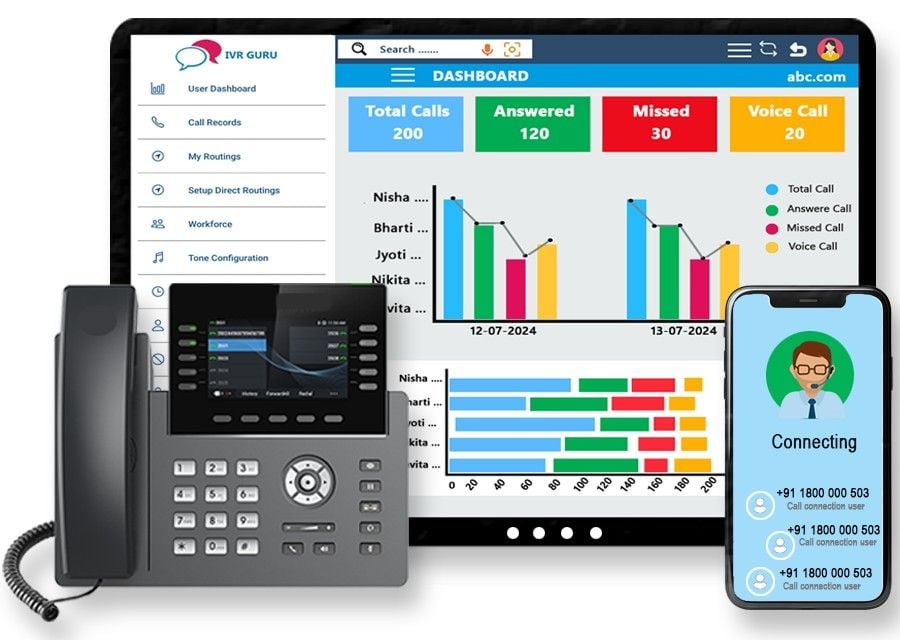
Deliver personalized messages at scale with our automated telemarketing solutions, powered by IVR technology for efficient, real-time engagement. Streamline your outreach, reduce costs, and enhance customer experience with seamless automation
What is Automated Telemarketing?
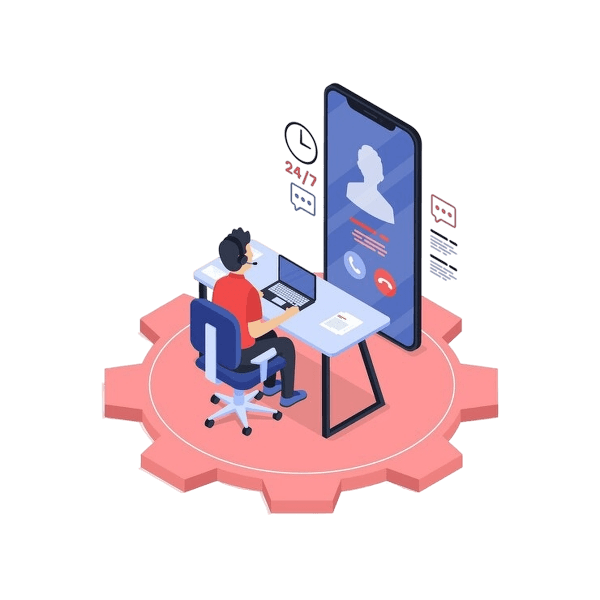
Automated Telemarketing refers to a telemarketing method that is technology-based, where automated devices like IVR (Interactive Voice Response) and auto-dialers are used to contact either customers or prospects in an automated way without requiring manual effort. It automates outbound calls, plays pre-recorded messages, and gathers responses, which makes telemarketing campaigns faster, easier to scale, and cheaper.
How Automated Telemarketing Works
Call List Preparation
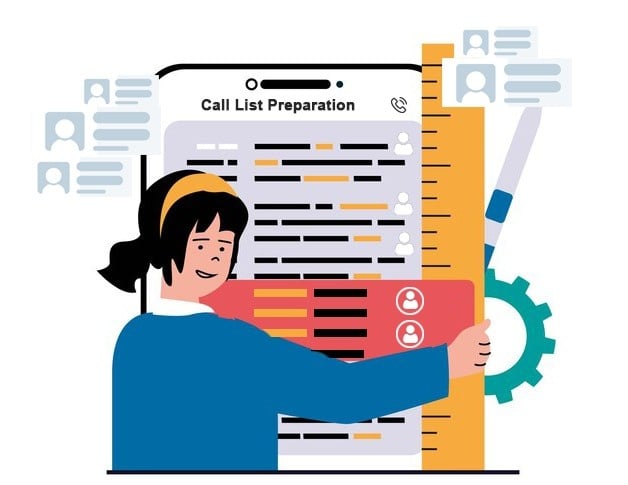
The first step involves gathering a list of phone numbers. These may include leads, existing customers, or potential prospects. The data is cleaned and validated for accuracy. Duplicates are removed, and invalid numbers are filtered out. The final list is then uploaded to the system. Each number can be associated with metadata such as name, location, or tags. This allows for targeted messaging during the campaign. Proper segmentation helps deliver personalized content. The list can be imported from CRM or spreadsheets. This step ensures a solid foundation for outreach.
Message Recording
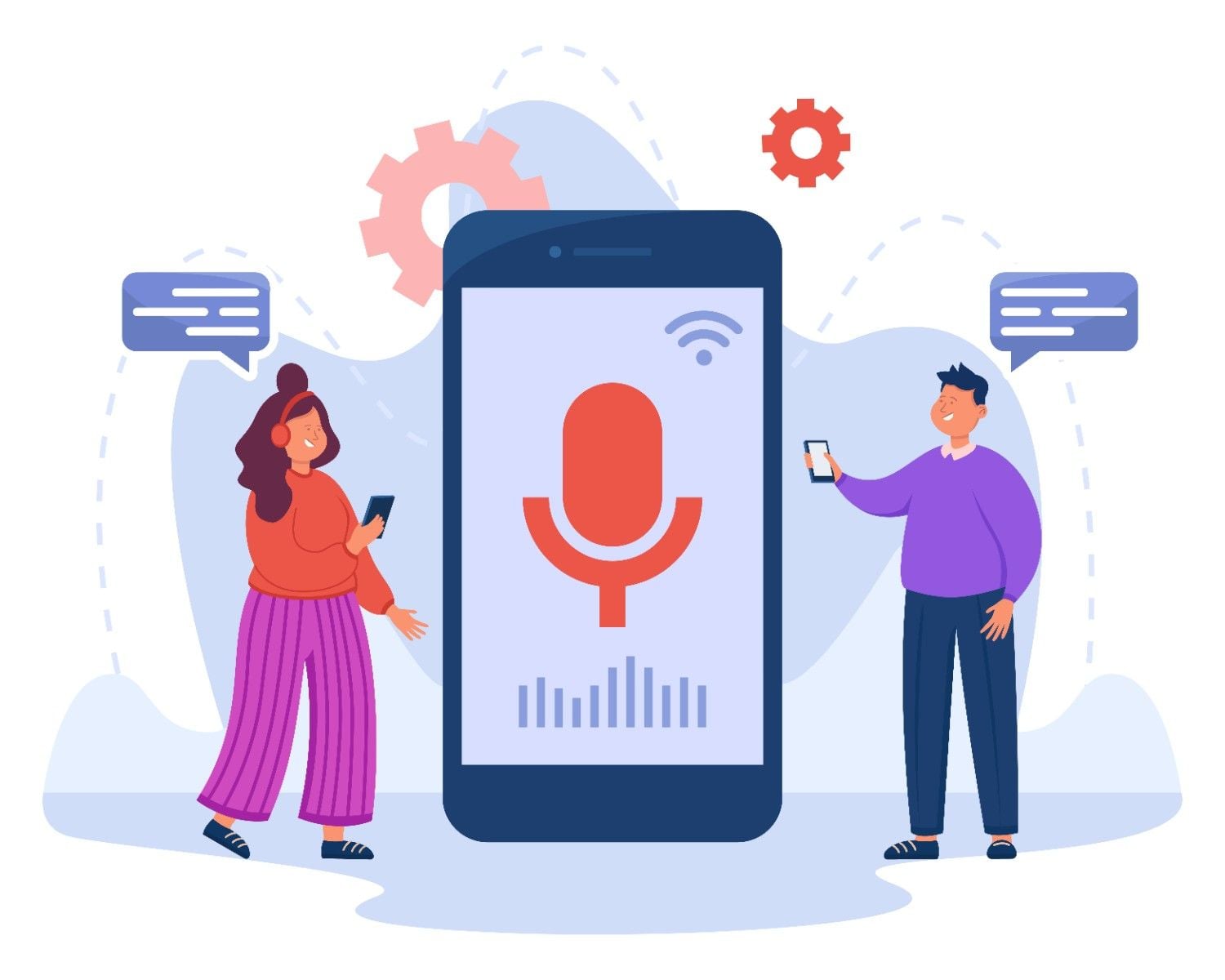
A professionally crafted message is recorded before the campaign starts. This message aligns with the campaign goal—sales, surveys, reminders, or announcements. The tone, language, and length are tailored for the audience. High-quality audio ensures better engagement and understanding. Multiple messages may be recorded for A/B testing. The script undergoes review to ensure clarity and compliance. Optional personalization can include dynamic content. Voice artists or AI voices may be used. Messages can be updated anytime before launch. This step sets the tone for recipient interaction.

Call Initiation
Once the call list and message are ready, the system begins dialing. Calls are placed automatically using a predictive or progressive dialer. The pre-recorded message is played as soon as the recipient answers. The system can handle thousands of calls simultaneously. Failed calls are retried at a later time. Voicemail detection ensures messages are only delivered to real people. The process is monitored in real-time by administrators. Call logs are generated for tracking and reporting. This step maximizes outreach speed and efficiency. It eliminates the need for manual dialing.
Response Handling
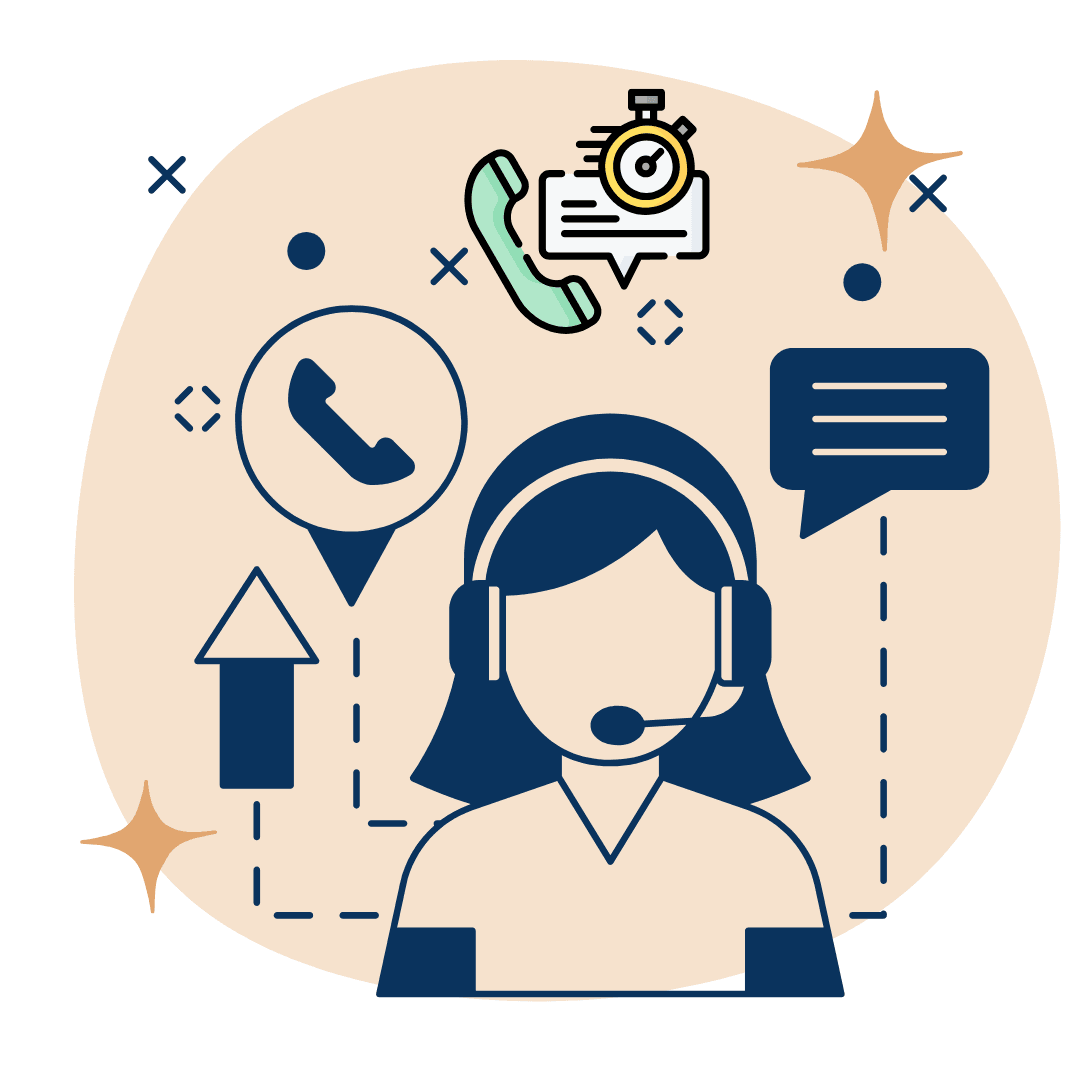
During the call, recipients can interact with the system. Options are presented via keypad or voice commands. For example, “Press 1 to speak to an agent, press 2 to opt-out.” Advanced systems use voice recognition for added convenience. Responses are captured and stored in the backend. Based on the input, different actions are triggered. The system logs responses for analytics. Invalid or no responses can trigger fallback options. This interaction transforms a one-way message into a two-way conversation. It increases engagement and effectiveness. Clear response handling is key for campaign success.
Follow-Up
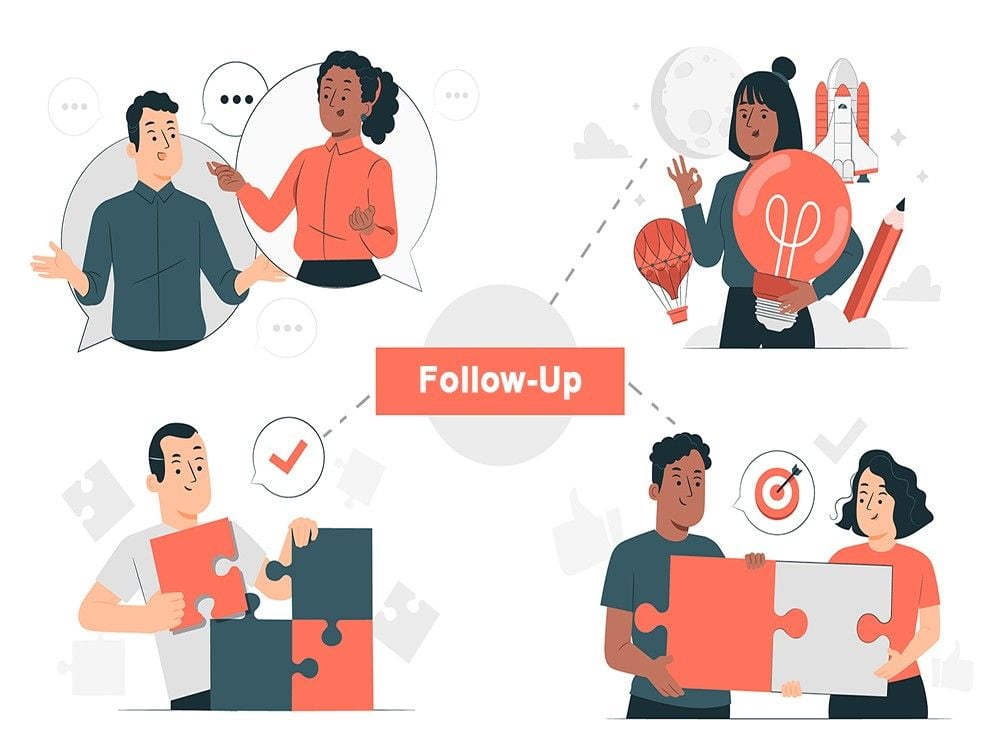
After the initial call, the system evaluates the response. Based on user input, various follow-up actions are scheduled. This can include transferring to a live agent, sending a confirmation message, or scheduling a callback. The CRM is updated automatically with new data. Follow-ups ensure continued engagement and lead nurturing. They help maintain the customer journey and improve conversion rates. Unresponsive contacts can be re-targeted later. The system avoids duplicate follow-ups to enhance user experience. Managers can view all follow-up actions in a dashboard. It closes the loop of the automated call flow.
Request Demo