Blended Call
The Best of Both Worlds—Inbound & Outbound Calling
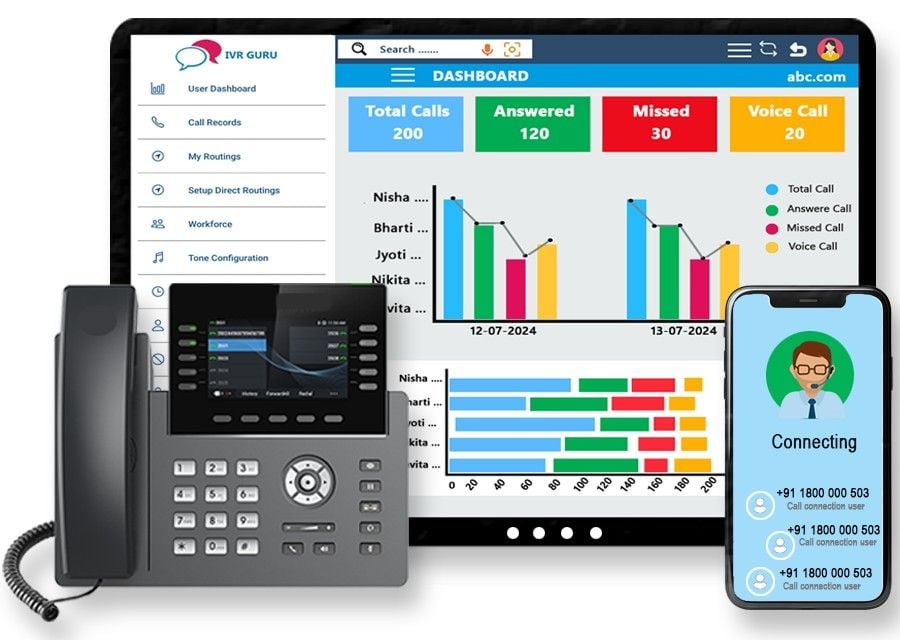
A blended call with IVR means you're using an IVR system in a call center that handles both inbound and outbound calls, where IVR supports both directions to manage or guide the interaction before it reaches a human agent.
What is a Blended Call?
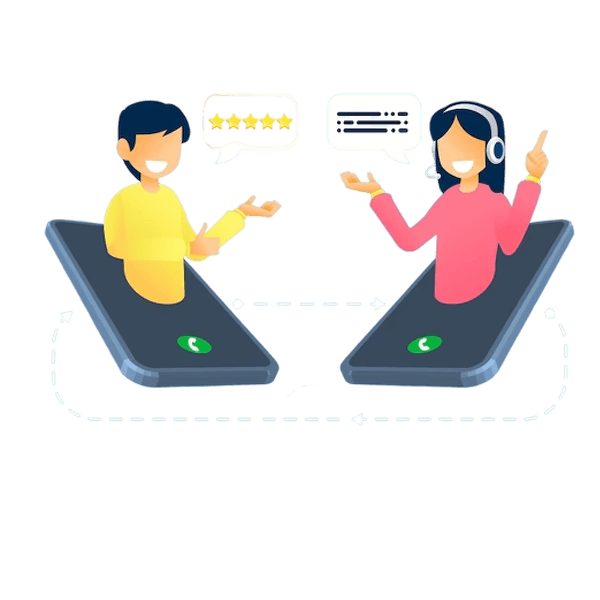
A Blended call is a feature that enables support staff in a call center or communication systems to manage inbound calls (calls from customers) and outbound calls (made by the businesses) simultaneously. This feature blends the two processes of call reception and call making. It makes it possible for agents to change from one type of call to another depending on the volume, their contact availability, or specific needs of the business.
How Inbound Calls Work

Inbound Mode
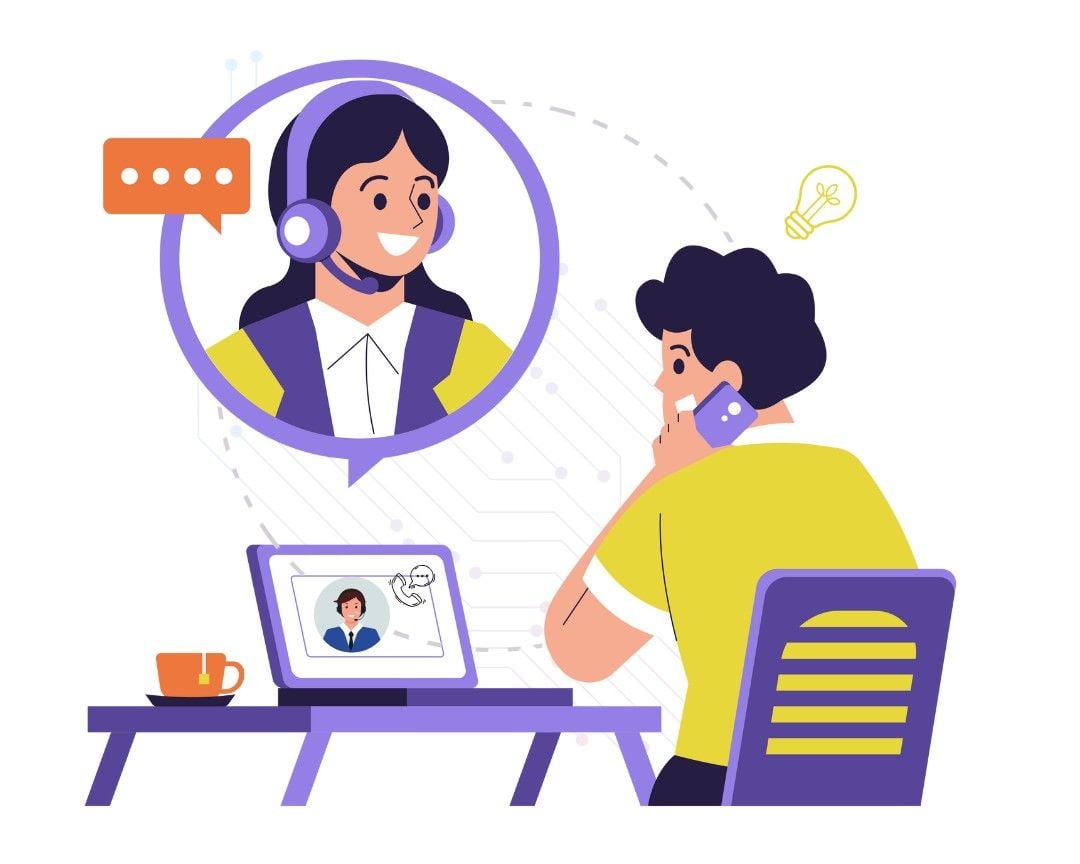
Inbound Mode enables agents to receive calls from customers directly. These calls often relate to customer support, order inquiries, service requests, or general assistance. The system ensures that customer concerns are addressed promptly and professionally. Agents are trained to handle diverse queries and provide quick solutions. Inbound calls can also include technical support or account-related questions. Real-time data helps manage the call queue efficiently. Customer satisfaction is prioritized at every step. The interface supports easy call transfers and escalations. Call routing is optimized for agent availability. This mode ensures consistent and responsive communication.
Outbound Mode
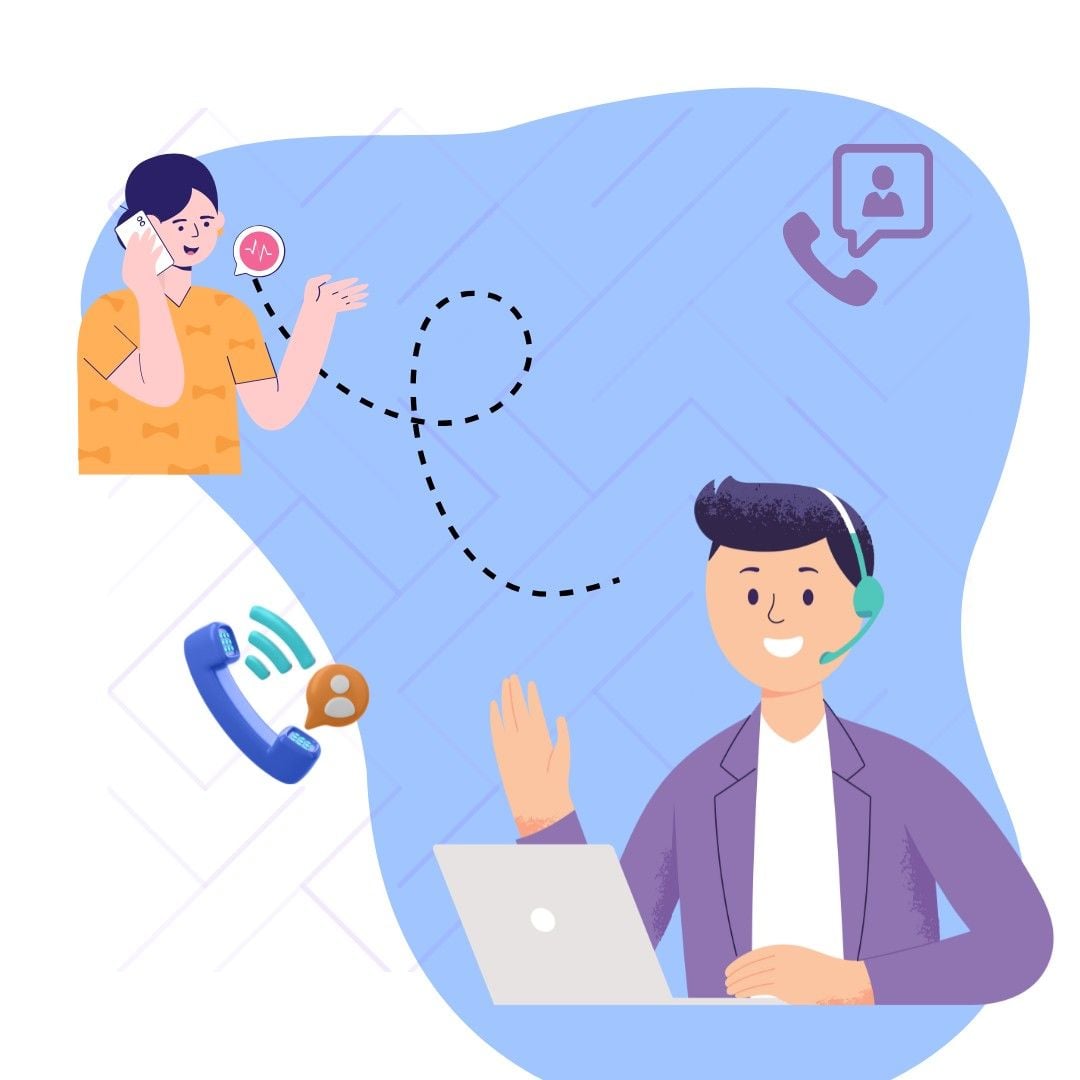
Outbound Mode focuses on proactive customer engagement. Agents make calls for sales, follow-ups, appointment confirmations, and feedback surveys. This mode is used when inbound traffic is low. It helps maintain productivity throughout the day. Dialers are often automated to improve efficiency. Agents are provided with call scripts and customer data. Compliance with regulations such as DNC is ensured. Call outcomes are tracked for analytics. Follow-ups are scheduled and monitored. Outbound campaigns can be targeted and customized. This approach boosts brand awareness and customer reach.
Automatic Transition
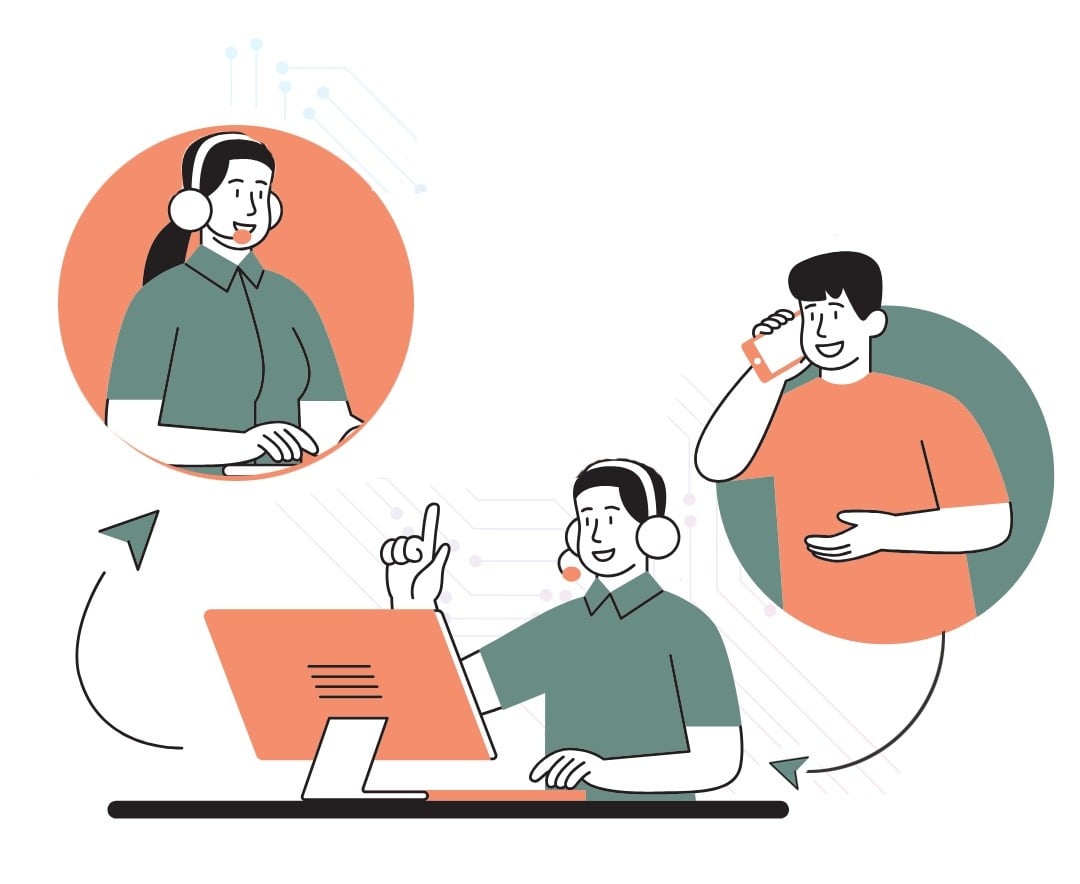
Automatic Transition allows seamless switching between inbound and outbound calls. The system monitors real-time metrics like call volume and agent availability. Based on these factors, agents are dynamically reassigned. This ensures optimal resource utilization. When inbound traffic spikes, more agents handle incoming calls. During downtime, they make outbound calls. This automation reduces idle time. It improves overall productivity and service levels. Managers can set thresholds for transitions. The transition is smooth and does not affect the user experience.

Prioritization
Prioritization ensures inbound calls are always handled first. This is crucial for maintaining high customer satisfaction. The system ranks calls based on urgency and type. Critical issues are escalated automatically. Less urgent outbound calls are queued or delayed. Agents are notified of high-priority calls. This improves response times and resolution rates. SLAs are met more consistently. The system uses smart algorithms for real-time decisions. Managers can adjust prioritization rules. It keeps customer needs at the forefront of operations.
Request Demo