Outbound Calling
Stay Connected with Your Customers
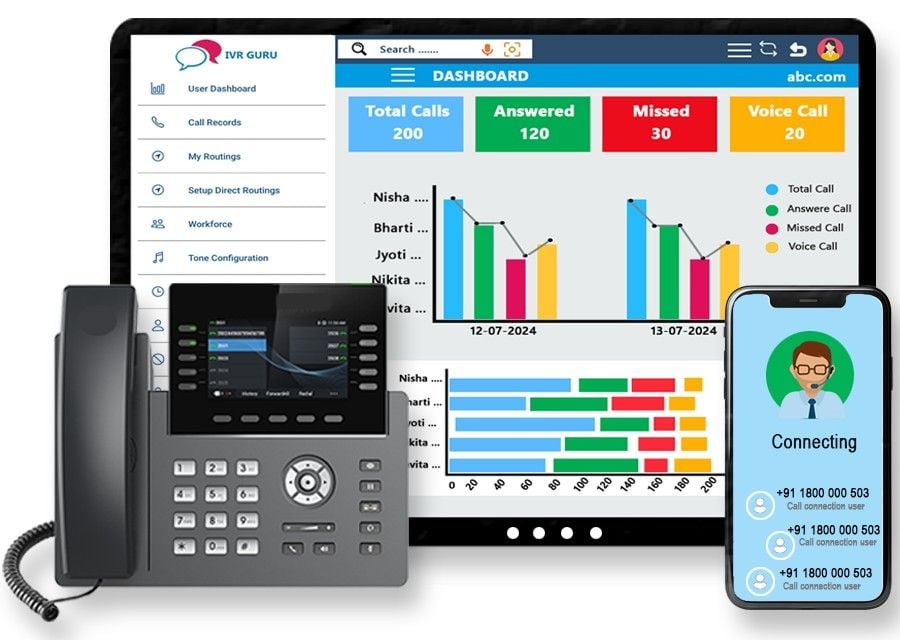
Outbound IVR calling is when an IVR system dials out to customers instead of waiting for them to call in. It can deliver messages, collect responses, or route the call to a live agent based on input
What is an Outbound Call?
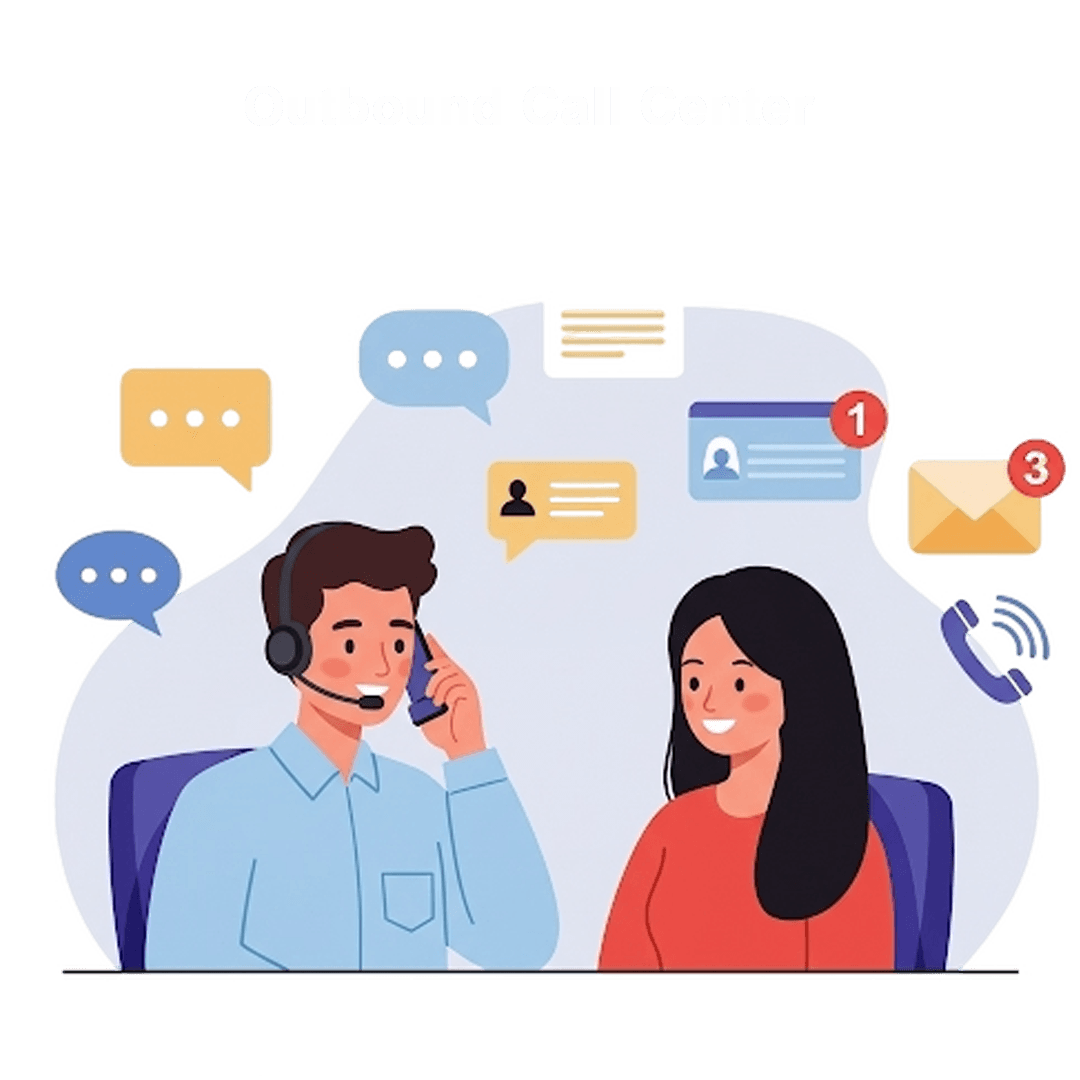
Outbound calls are phone calls initiated by a business, organization, or representative to contact customers, leads, or external stakeholders. These proactive calls are often used for sales outreach, marketing campaigns, appointment reminders, customer feedback, or service follow-ups. Unlike inbound calls where customers reach out first, outbound communication allows businesses to stay connected, build relationships, and drive engagement with their audience.
How Inbound Calls Work
Call List Preparation
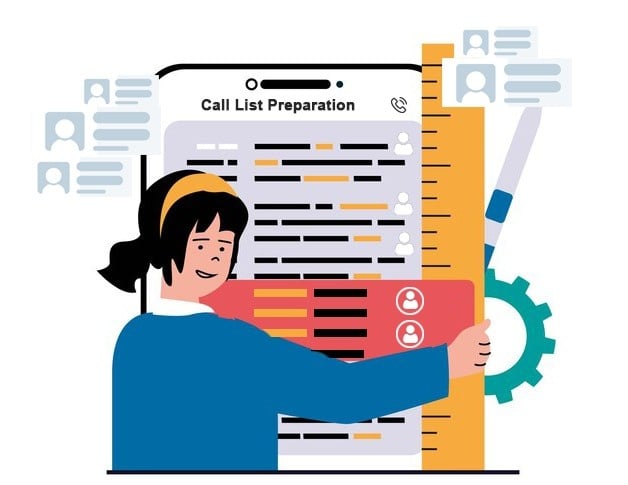
This step involves compiling a targeted list of contacts. It could include existing customers, new leads, or prospects. The data is usually gathered from CRM tools, forms, or marketing campaigns. Names, phone numbers, and other relevant details are verified. The list is filtered based on criteria like location or interest. It ensures that the calling effort is efficient and focused. Segmenting contacts helps tailor the communication better. Duplicates or invalid numbers are removed to save time. This step is crucial to maximize successful connection rates. A clean and updated call list lays the groundwork for success.
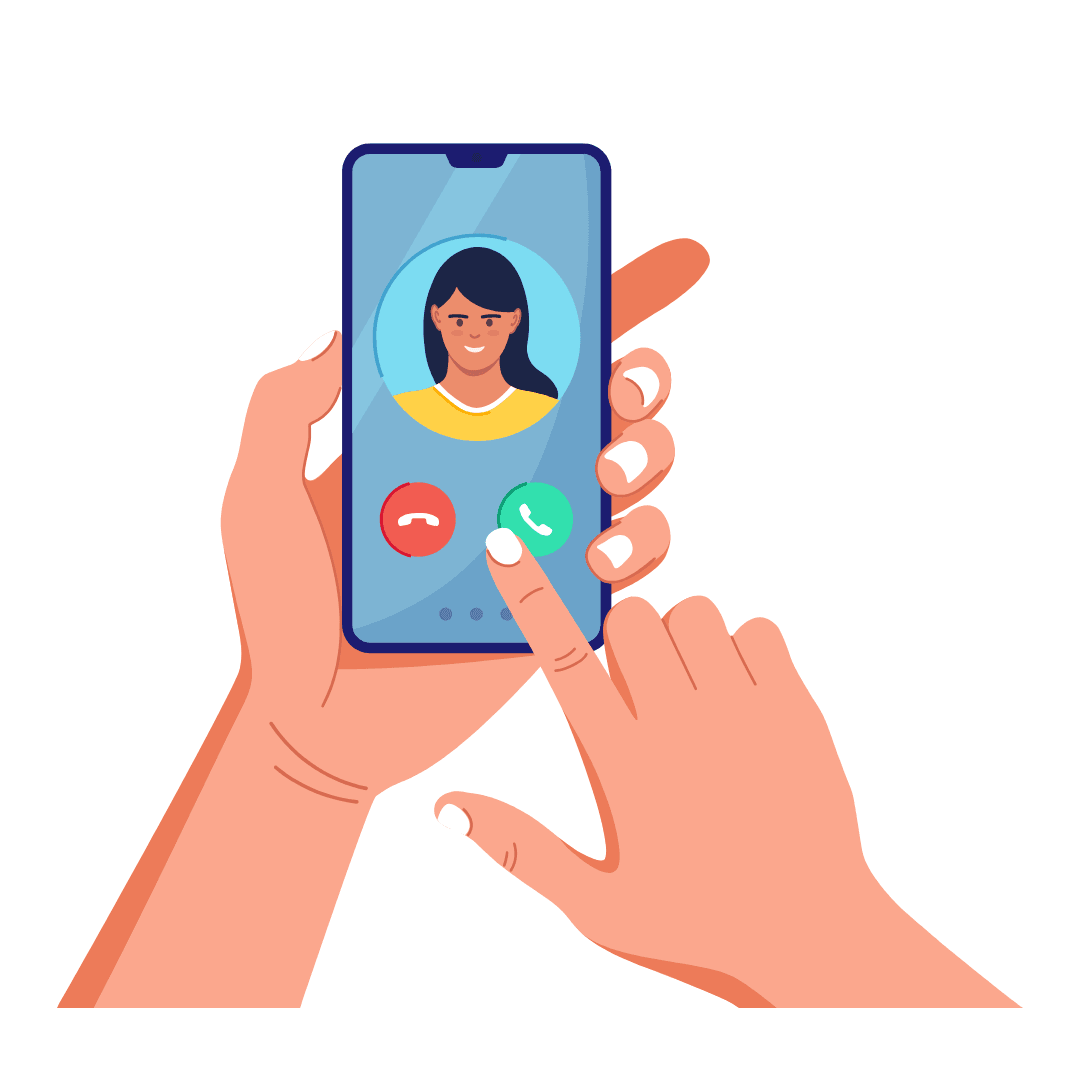
Call Initiation
This phase involves starting the outbound calls. Businesses may use manual dialing or automated dialers. Auto-dialers help increase productivity and reduce wait time. The system dials numbers sequentially or from a queue. Agents are connected when a recipient answers the call. Caller ID and scripts may be configured beforehand. It ensures consistent and professional outreach. Calls are timed and recorded for quality purposes. Initial greetings are crucial to grab attention. The goal is to initiate a smooth and engaging conversation.
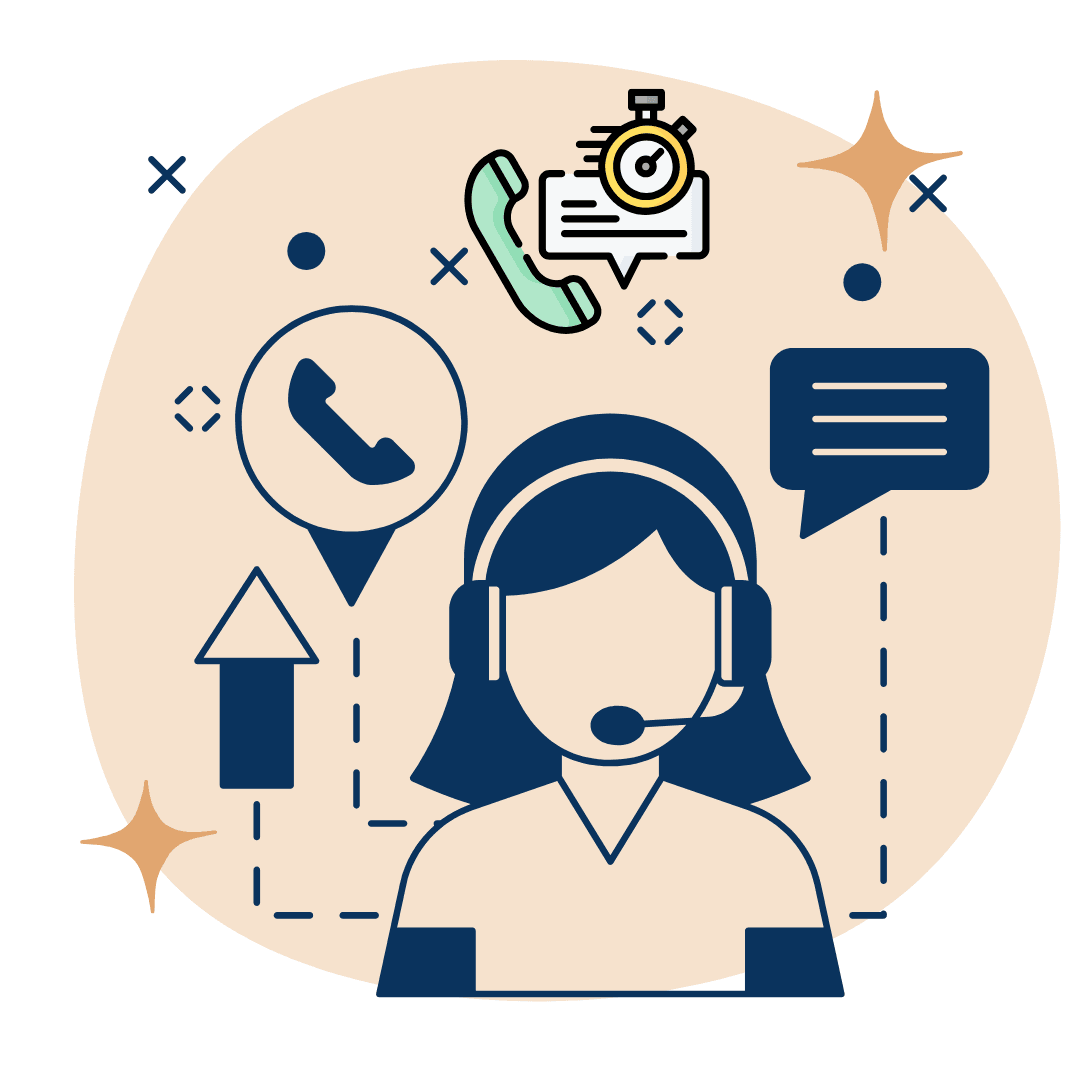
Call Handling
This is where the actual interaction takes place. The recipient answers and the agent starts the conversation. Agents follow a script or talk freely depending on the context. They introduce themselves and explain the purpose of the call. Effective listening helps address the recipient's needs. Objections may be handled with prepared responses. Agents aim to build rapport and trust during the call. Information is gathered or delivered as planned. Call handling may vary based on the campaign objective. Professionalism and tone play a key role in success.
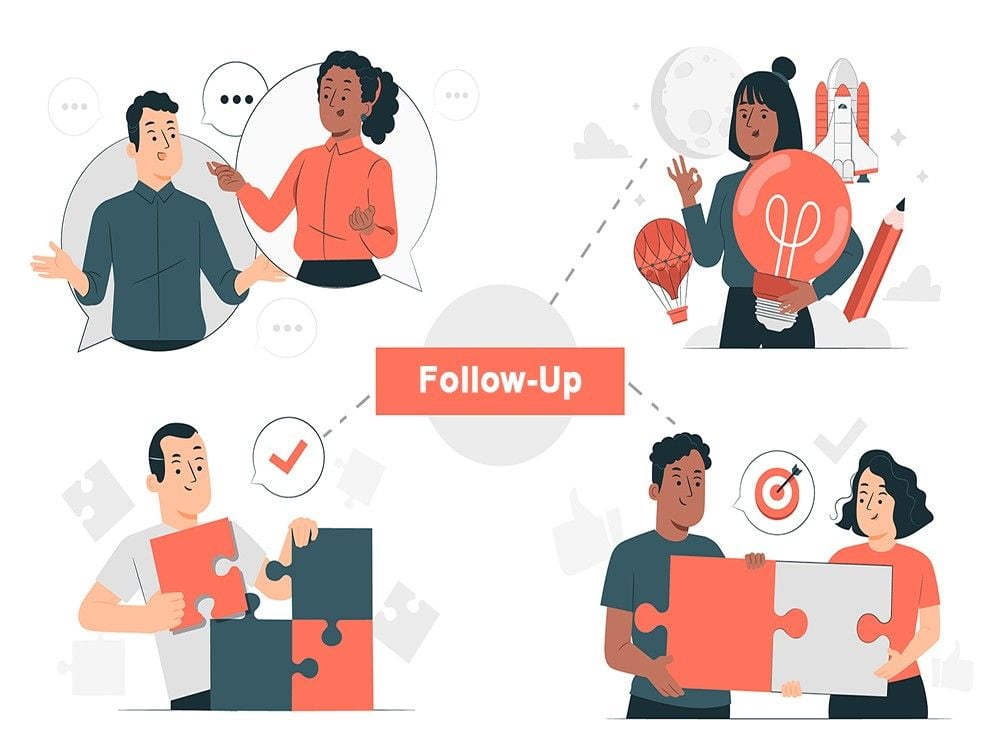
Follow-Up
After the initial call, follow-up actions are taken. These depend on the result of the conversation. If interest is shown, meetings or demos may be scheduled. Further details may be sent via email or SMS. CRM records are updated with notes and outcomes. Leads can be nurtured through future follow-ups. It ensures that interested prospects are not lost. Timely follow-up boosts conversion chances. Proper tracking helps maintain a structured pipeline. This stage ensures continuity in the customer journey.
Request Demo